

 Home
Home

Over the past decade, the primary challenge for data centers has been computing power. Over the next decade, it may well become cooling.
As AI workloads continue to grow, GPU power consumption has increased dramatically—from around 300W to well over 1000W per device. NVIDIA’s H100 consumes approximately 700W, while the latest B200 exceeds 1000W. The GB200 NVL72 platform delivers rack-level power densities of more than 120 kW.
At these power levels, conventional air cooling approaches are reaching their practical and economic limits. According to ASHRAE, the rapid growth of Artificial Intelligence (AI) and High-Performance Computing (HPC) is accelerating the adoption of liquid cooling technologies in mainstream data centers. Direct-to-Chip Liquid Cooling has emerged as one of the most promising solutions for next-generation AI infrastructure.
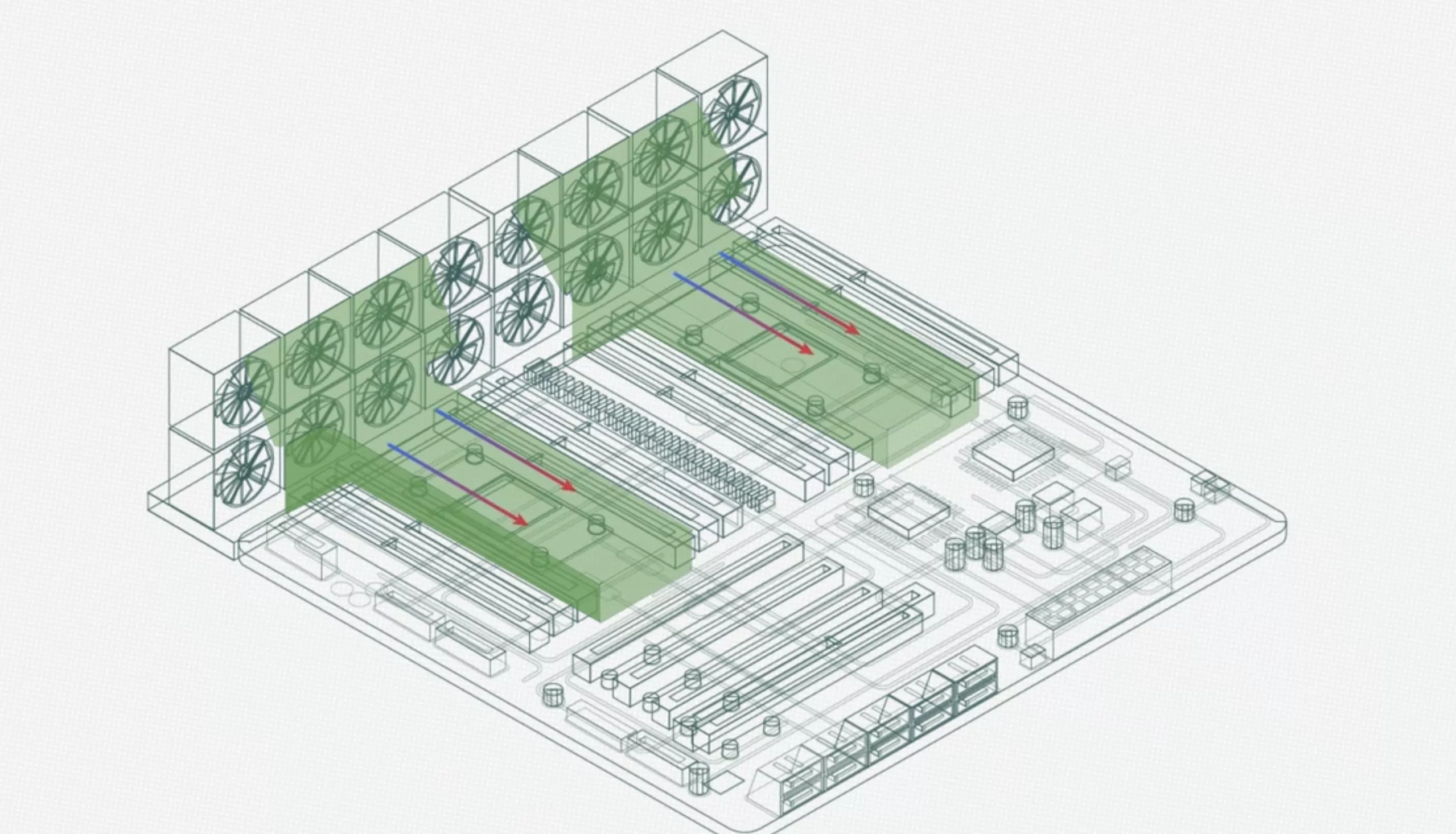
Source: Open Compute Project (OCP) Cooling Environments Project
Major technology companies including NVIDIA, Meta, and Microsoft are actively advancing liquid cooling strategies. At GTC Taipei 2026, NVIDIA announced the full-scale production of its Vera Rubin platform, featuring the Vera Rubin NVL72 rack architecture that integrates 72 Rubin GPUs and 36 Vera CPUs with a fully liquid-cooled design.
For future high-density AI data centers, liquid cooling is no longer an optional enhancement—it is becoming a fundamental requirement.
At the same time, China’s liquid cooling ecosystem is expanding rapidly, covering key components, liquid-cooled IT equipment, integrated cooling solutions, and large-scale AI computing center deployments.
Liquid Cooling Systems Depend on Precision Manufacturing
A liquid cooling system is more than a network of pipes and coolant loops. It is also a highly sophisticated metal joining system.
From cold plates and Coolant Distribution Units (CDUs) to manifolds, quick disconnects, and flexible bellows, many critical components rely on precision laser welding processes to achieve structural integrity and long-term sealing performance.
Similar to battery manufacturing, the greatest risk in liquid cooling systems is often not insufficient cooling performance, but leakage.
A coolant leak may lead to server downtime, GPU damage, or even large-scale data center failures. As a result, manufacturing quality and weld integrity are becoming critical factors in ensuring system reliability.
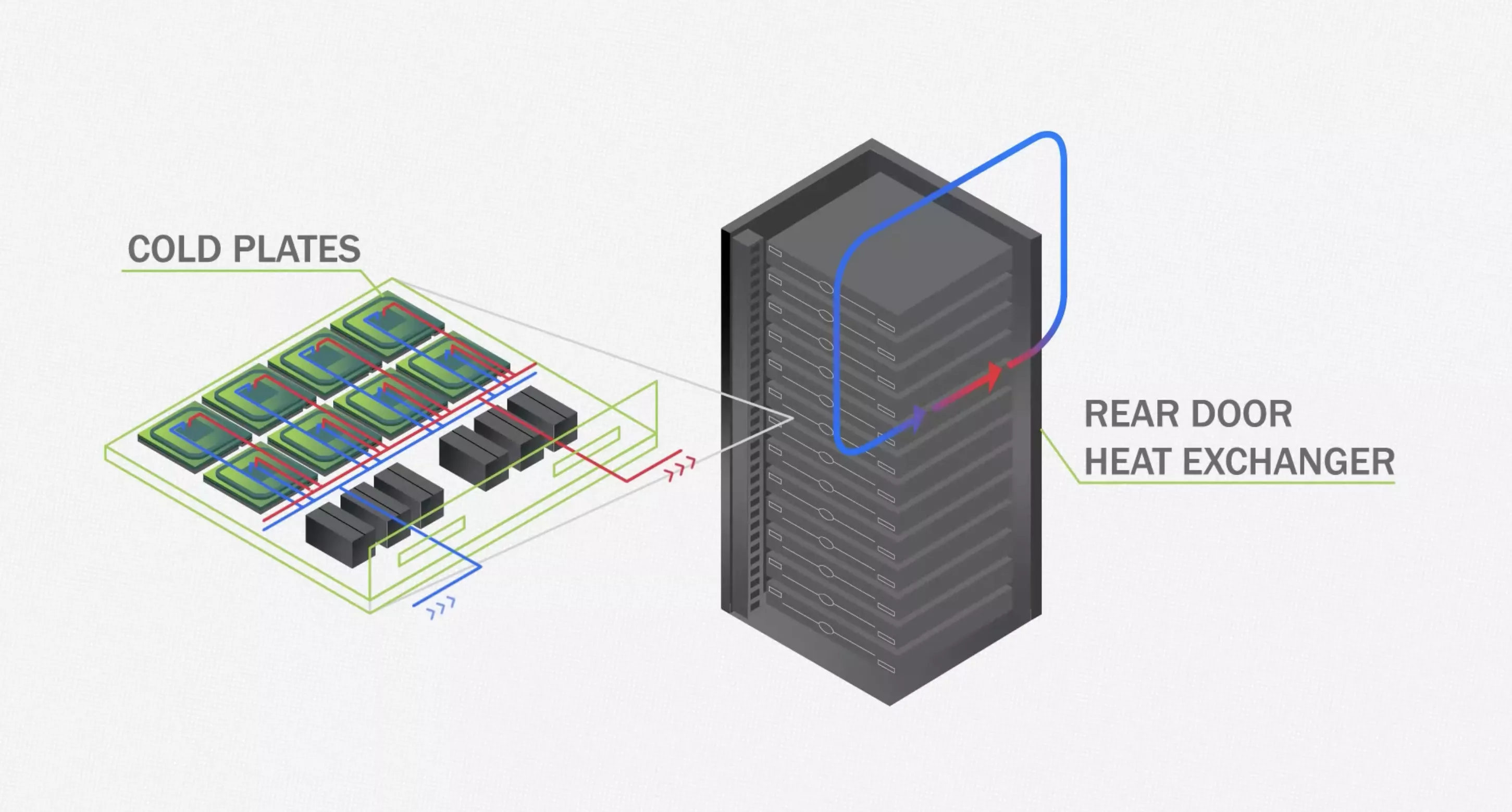
Critical Liquid Cooling Components and Their Welding Challenges
Cold Plates
Cold plates contain complex internal microchannels and fluid chambers that require hermetic sealing between cover plates and base structures.
Potential defects such as lack of fusion or cracking can result in slow leakage that may only become apparent after months of operation.
In addition, additive manufacturing technologies are increasingly being adopted for advanced copper microchannel cold plates. Defects commonly associated with metal additive manufacturing—including lack of fusion, unsupported structures, distortion, and warpage—can significantly affect cooling performance and reliability.
Manifolds
Manifolds distribute coolant flow to multiple cold plates throughout the system.
Welding quality directly affects pressure stability and flow distribution. Defects can cause abnormal pressure drops and uneven coolant flow, reducing overall cooling efficiency.
Coolant Distribution Units (CDUs)
As the heart of a liquid cooling system, CDUs incorporate stainless-steel piping, heat exchangers, reservoirs, and numerous welded joints.
Insufficient welding quality may lead to leakage, pressure loss, or complete cooling loop failure.
Universal Quick Disconnects (UQDs)
UQDs enable rapid connection and disconnection of liquid cooling circuits during installation and maintenance.
Because these components undergo frequent service cycles, they require exceptional sealing performance and long-term durability. Small weld cracks may gradually propagate under thermal cycling and eventually lead to leakage.
Flexible Bellows
Flexible bellows absorb vibration, thermal expansion, and mechanical displacement within liquid cooling systems.
Operating under continuous vibration and thermal cycling conditions, weld joints connecting bellows to pipes, flanges, or fittings are subject to fatigue loading. Even microscopic defects can expand over time and compromise system reliability.
Potential Welding Defects and Risks in Key Liquid Cooling Components |
|||
|
Liquid Cooling Component |
Welding Objective |
Potential Defect |
Risk |
|
Cold Plate |
Sealing Integrity |
Lack of Fusion |
Coolant Leakage |
|
Manifold |
Pressure Stability |
Cracks |
Flow Imbalance |
|
CDU (Coolant Distribution Unit) |
System Reliability |
Incomplete / Defective Welds |
System Failure |
|
Quick Connector (UQD) |
Long-Term Sealing Performance |
Microcracks |
Long-Term Leakage |
|
Flexible Bellows / Flexible Connector |
Sealing Integrity |
Lack of Fusion, Microcracks |
Coolant Leakage |
The Future of Liquid Cooling Manufacturing: Towards 100% In-Line Inspection
As liquid cooling deployments scale across AI infrastructure, traditional sampling-based quality control methods are becoming increasingly insufficient.
Modern AI data centers operate around the clock, supporting thousands of GPUs and mission-critical workloads. In such environments, a single welding defect can have significant consequences.
As weld quality becomes a key determinant of data center reliability, laser welding inspection is evolving from a manufacturing quality tool into an essential part of AI infrastructure production.
More manufacturers are adopting in-line laser welding monitoring and inspection technologies to improve process control, defect detection, traceability, and overall manufacturing consistency.
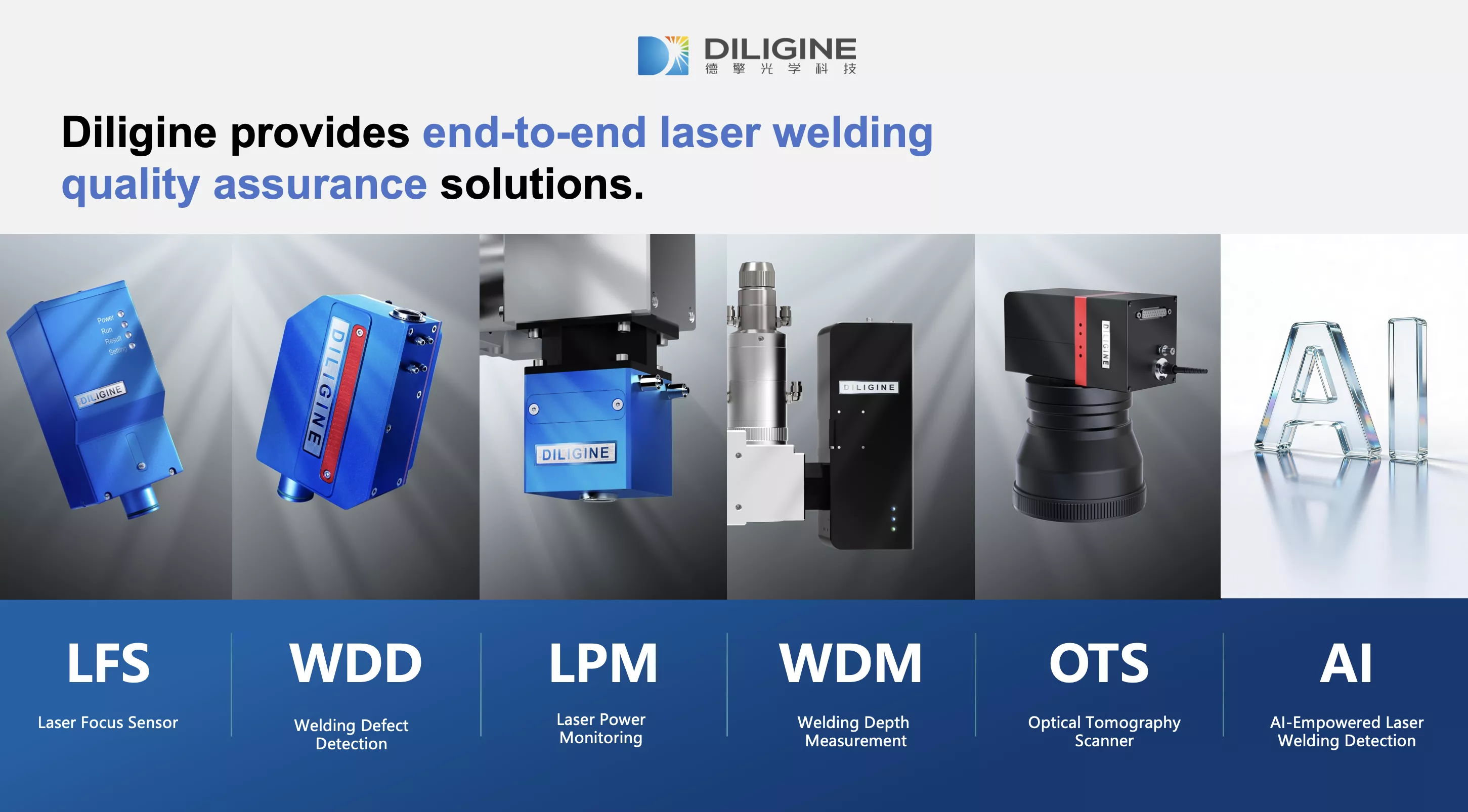
Supporting the Future of AI Infrastructure
The AI era is reshaping global infrastructure. Behind every breakthrough in computing performance lies a corresponding advancement in manufacturing quality and process control.
At DILIGINE, we remain committed to our vision of “Sensing Beyond.” Through advanced laser welding inspection technologies and professional engineering support, we help manufacturers identify the critical process variables that impact performance, reliability, and long-term product quality.
We look forward to working alongside partners across the AI infrastructure ecosystem—from GPU and server manufacturers to liquid cooling system providers and component suppliers—to build more reliable, efficient, and sustainable data centers for the future.