
 Home
Home

 Download
 Consulting Service
High-Precision Real-Time Inspection:
Leaving No Imperfection Unseen.
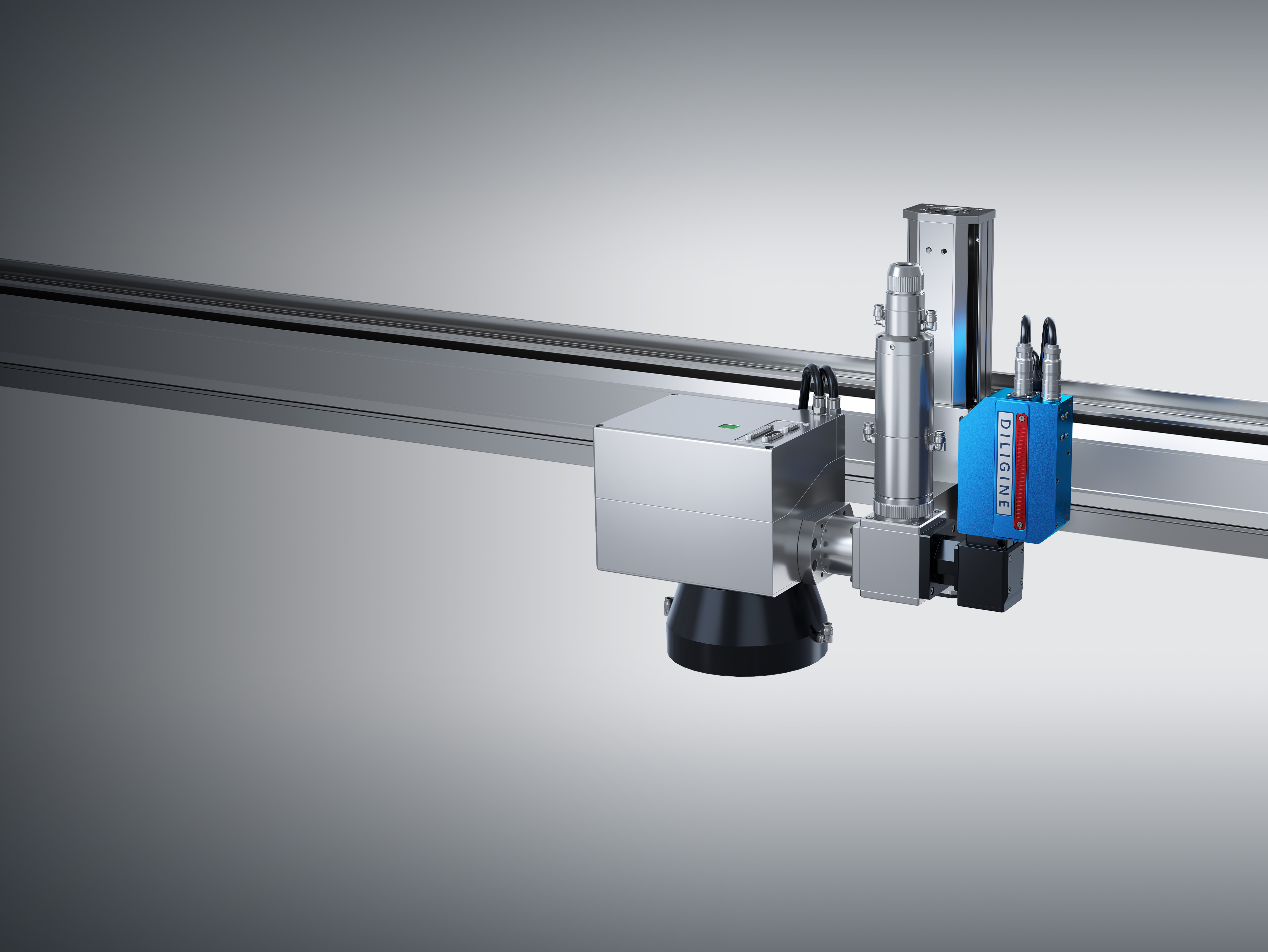
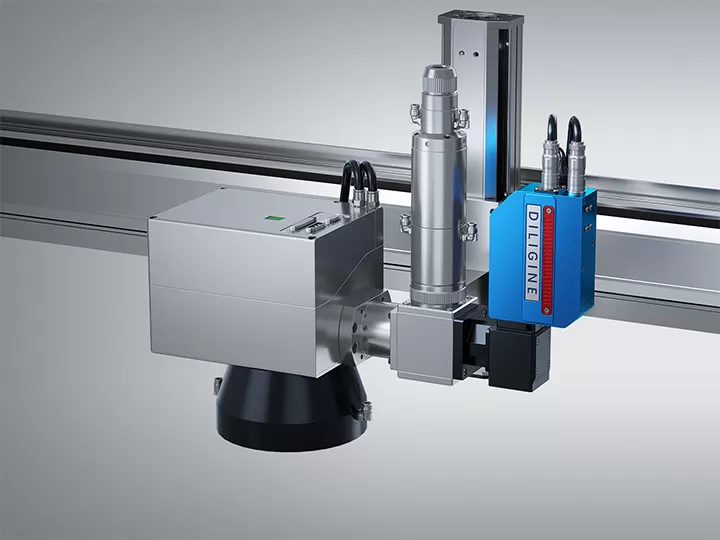
The optical signals generated during laser welding—such as metal vapor, laser reflection, and molten pool thermal radiation—reflect the welding status and potential defects. The Welding Defect Detection (WDD) converts these optical signals into electrical signals via photoelectric sensors. Subsequent analysis extracts weld seam defect information, enabling defect detection and quality control.
Inspect While Welding,
Trace & Correct at Once.

Multi-Task Processing
No calibration needed
Real-time monitoring
with immediate feedback

Powerful Computing
Remote control and configuration
Robust complex computing capability
A maximum sampling rate of 200 kHz

Broad Compatibility
Remote control capable.
Compatible with mainstream laser brands.
Supports flexible integration.
Establish more stable and convergent process parameters.
Standard Adaptation
Real-time Monitoring
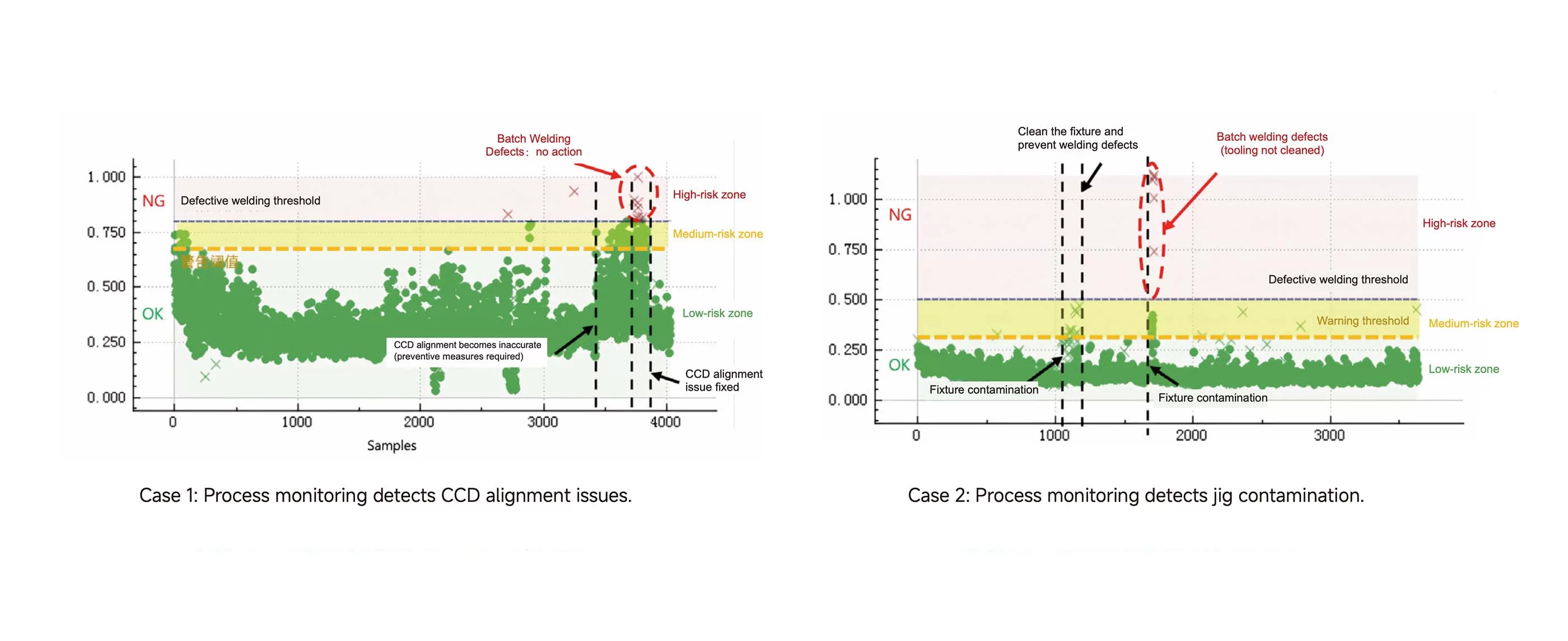
Proactive Defect Prevention
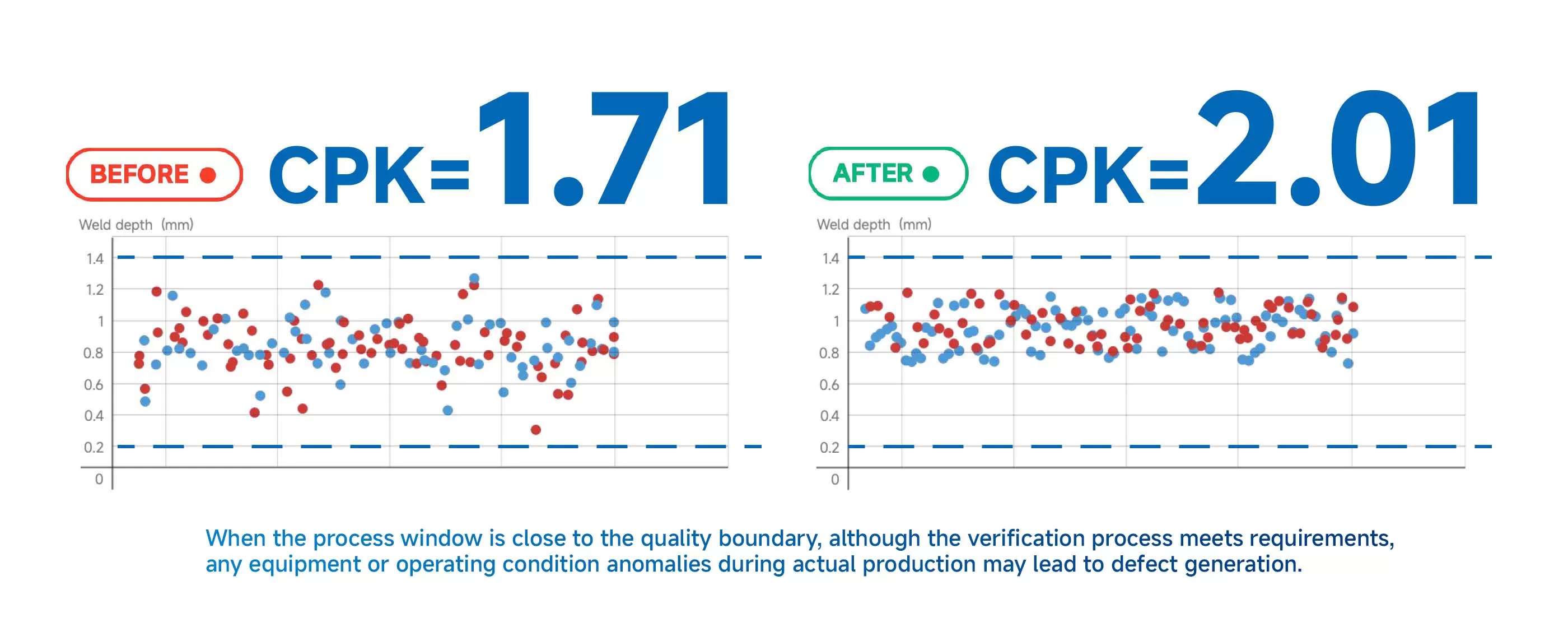
Determine the Convergence Process
When introducing new equipment, parameter fine-tuning is required for each production line. WDD can collect data to determine process confirmation standards, ensuring consistency.
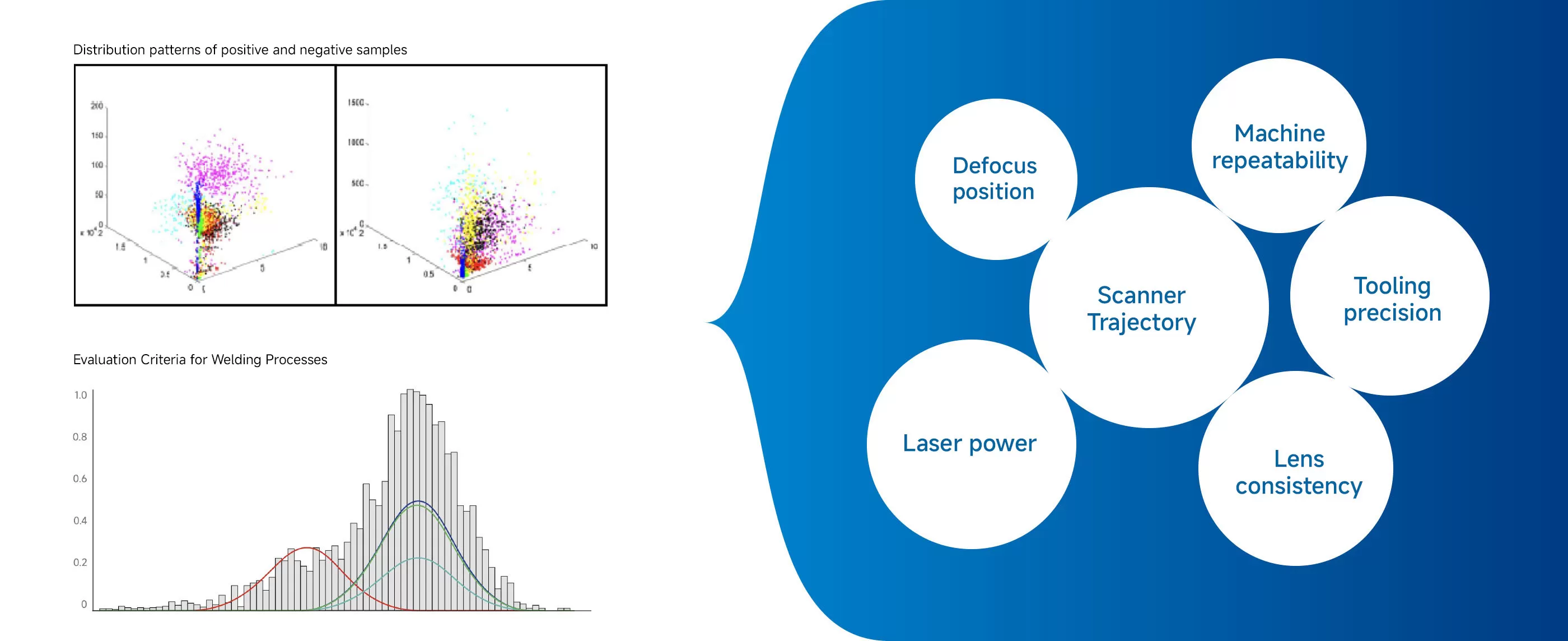
Quickly identify defect categories, reducing the time cost of diagnosis
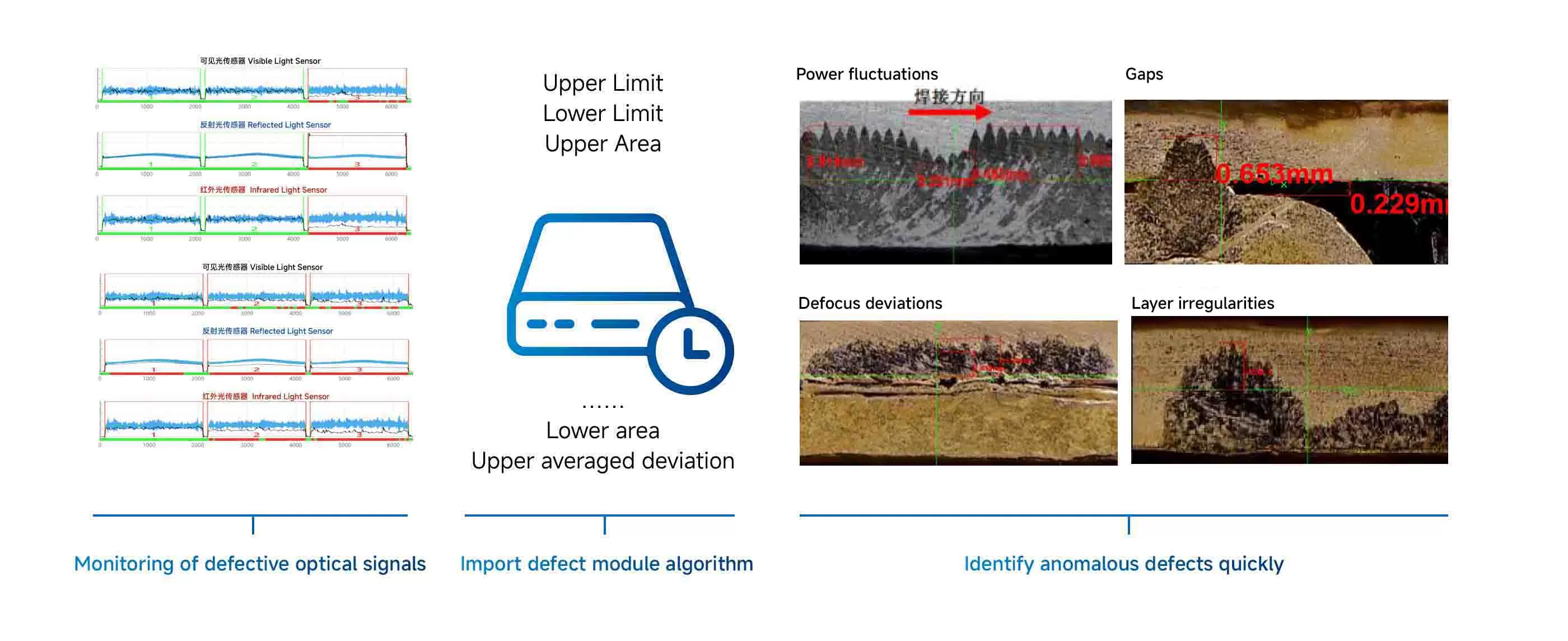
Early warnings of welding defects & Process monitoring and data analysis to support decisions that enhance production quality.
Determine welding process parameters with more stable convergence,
increase the penetration depth CPK, and enhance the process tolerance.
Precisely identifies
20+ defect types.
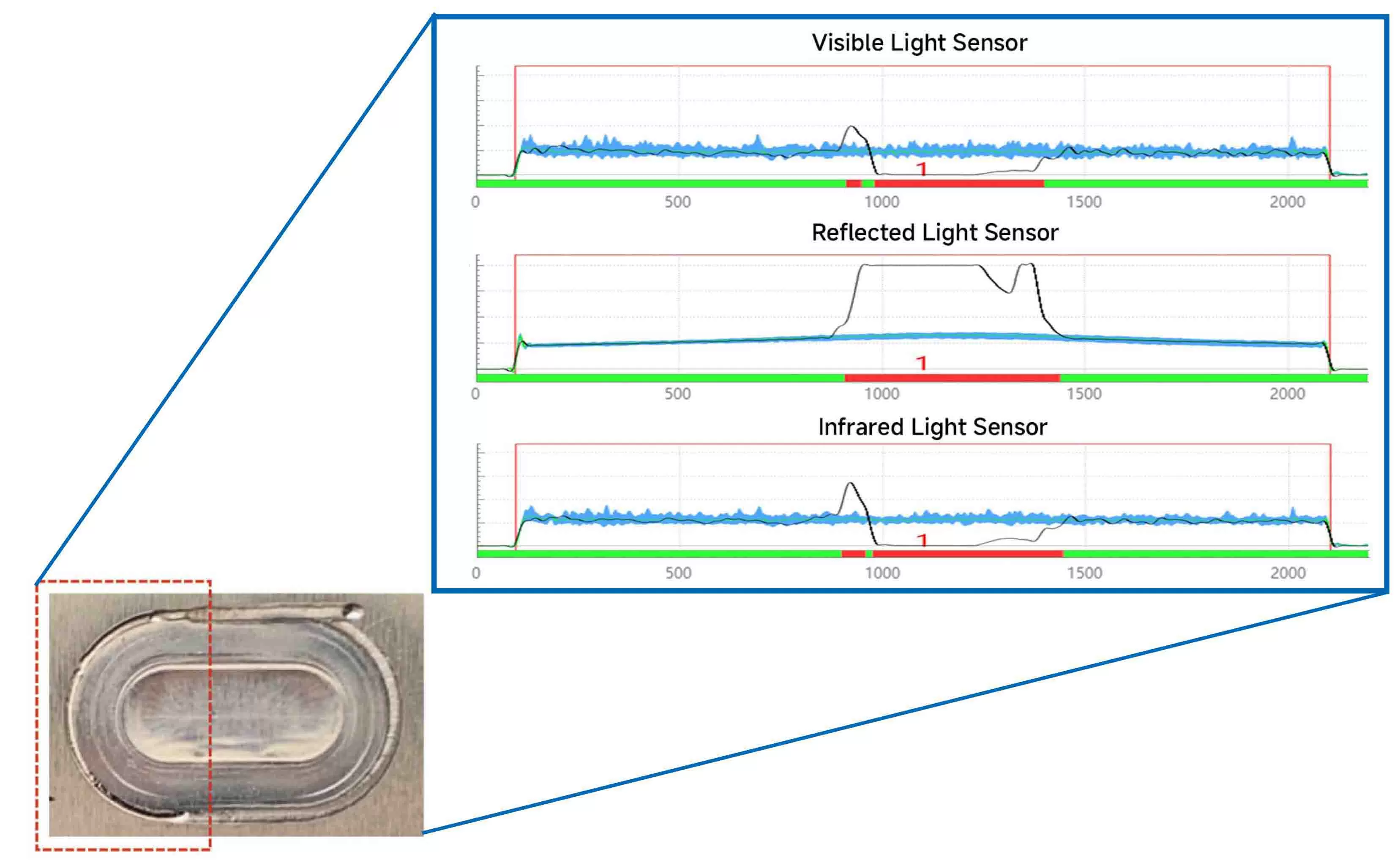
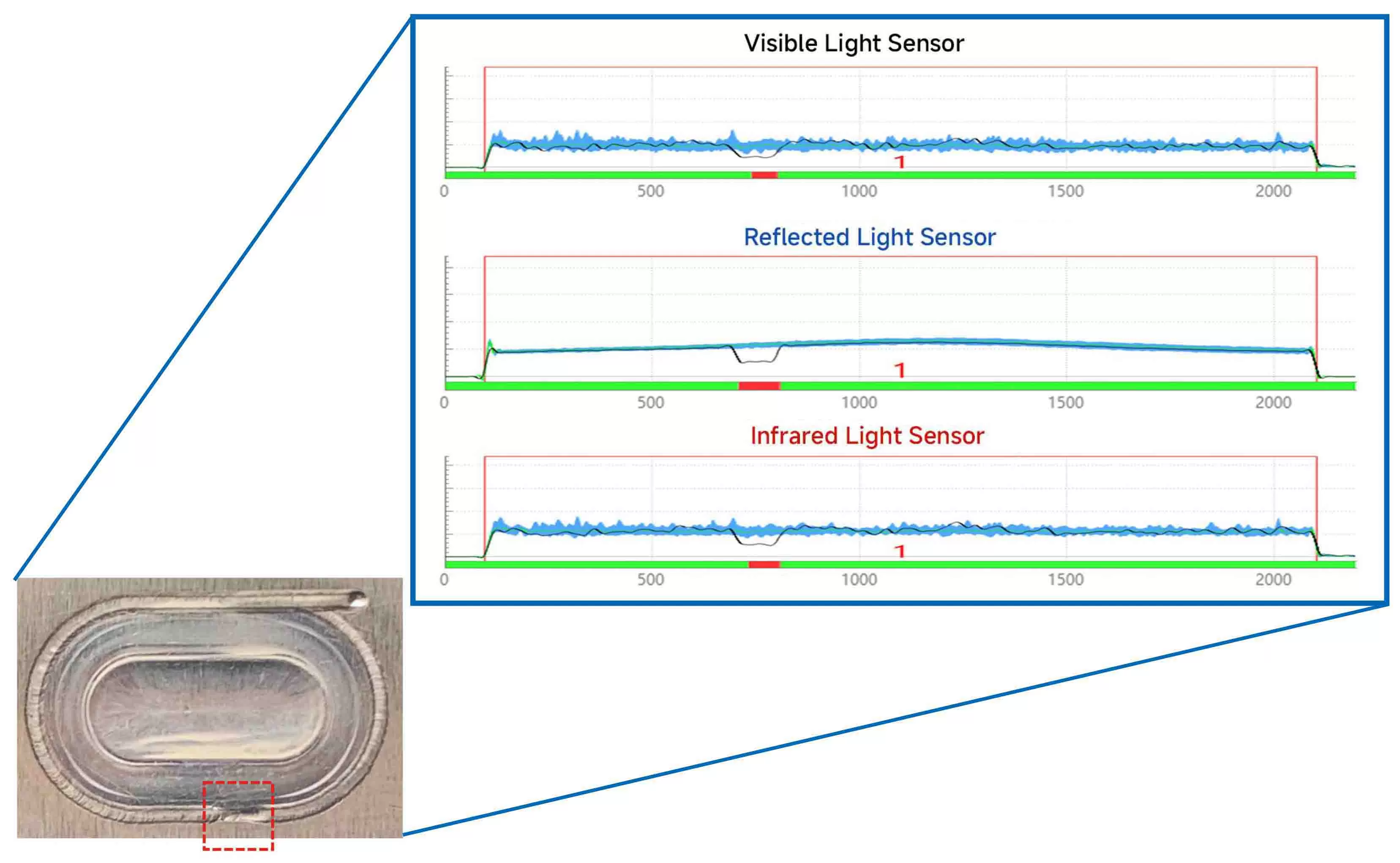
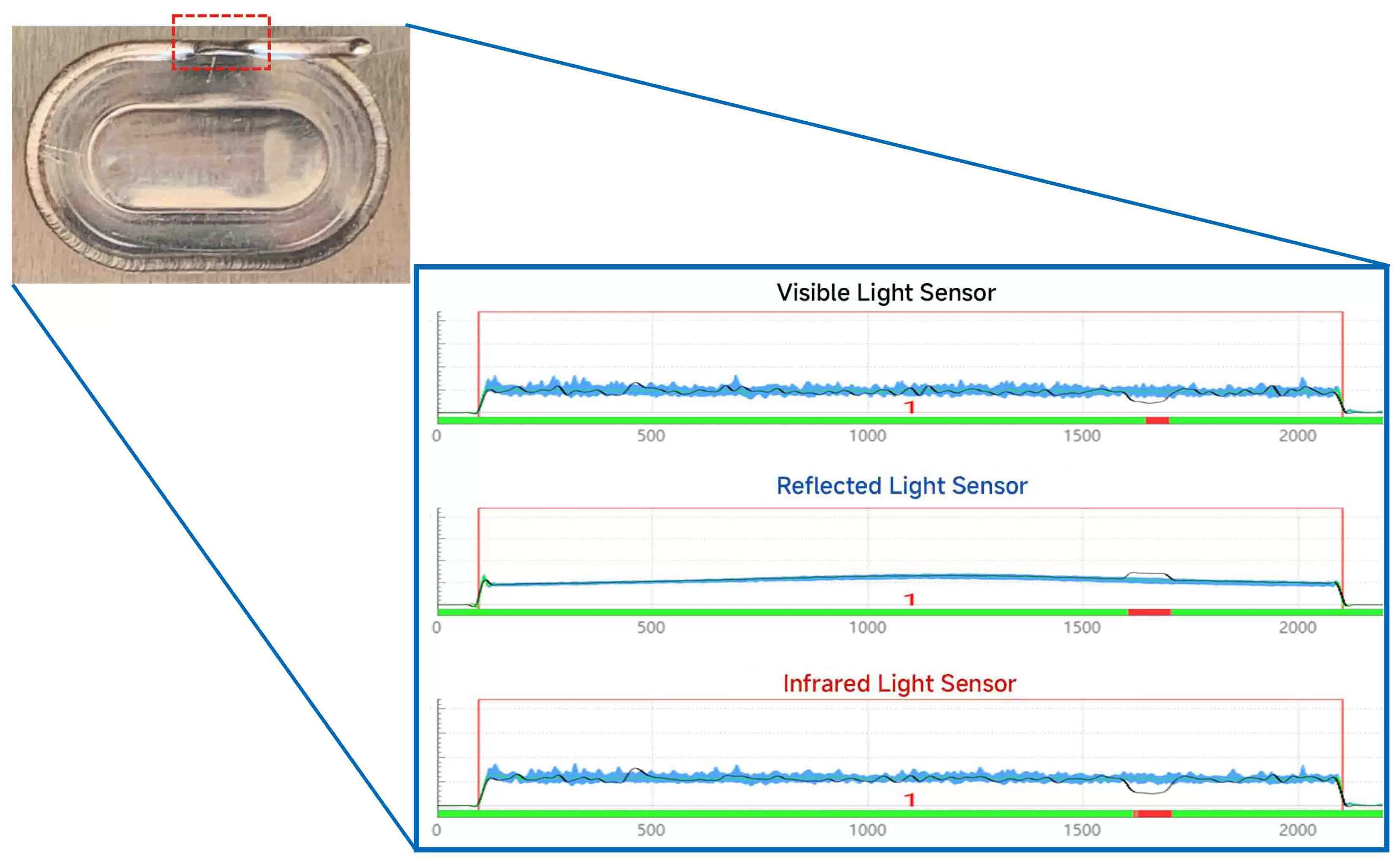
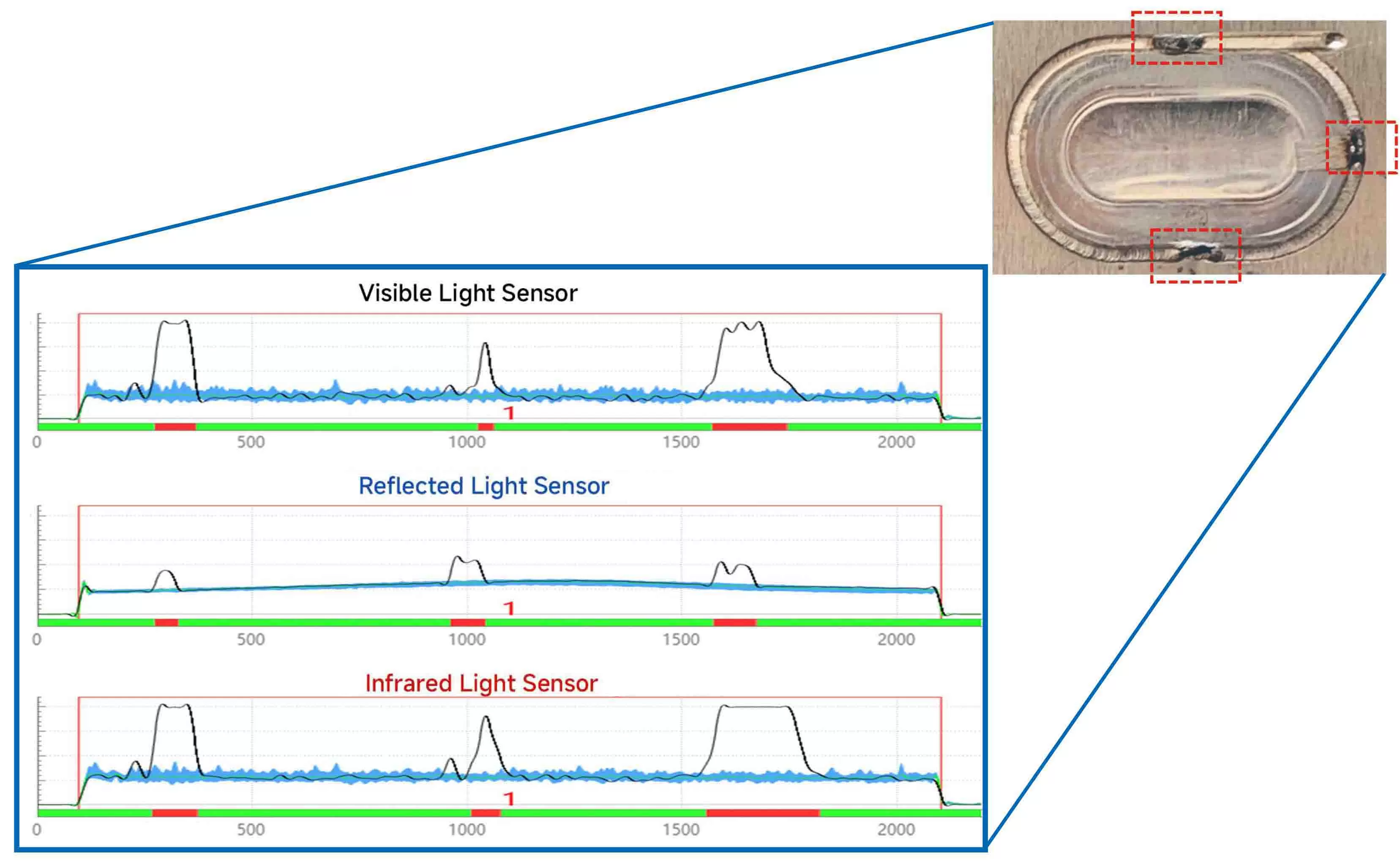
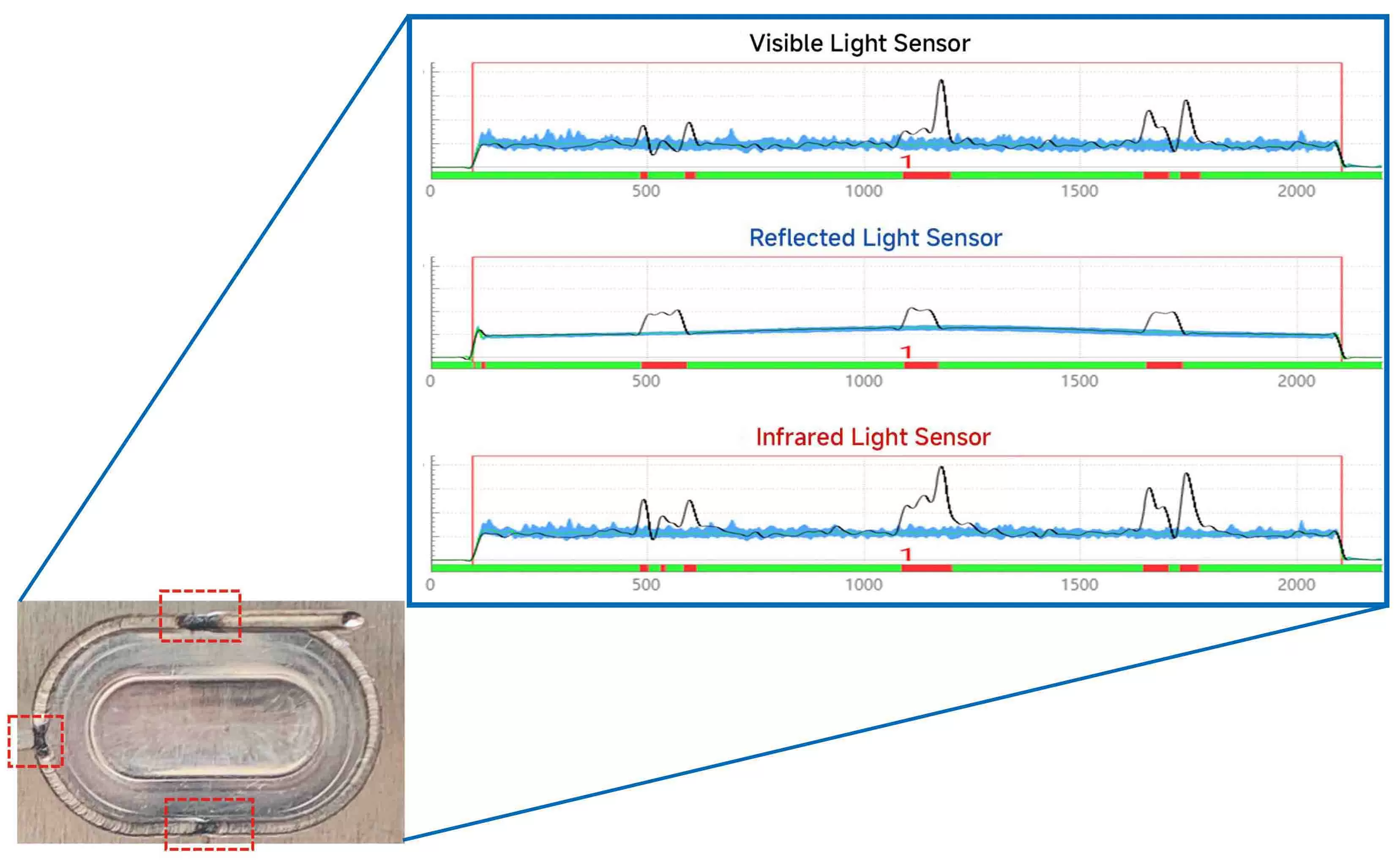
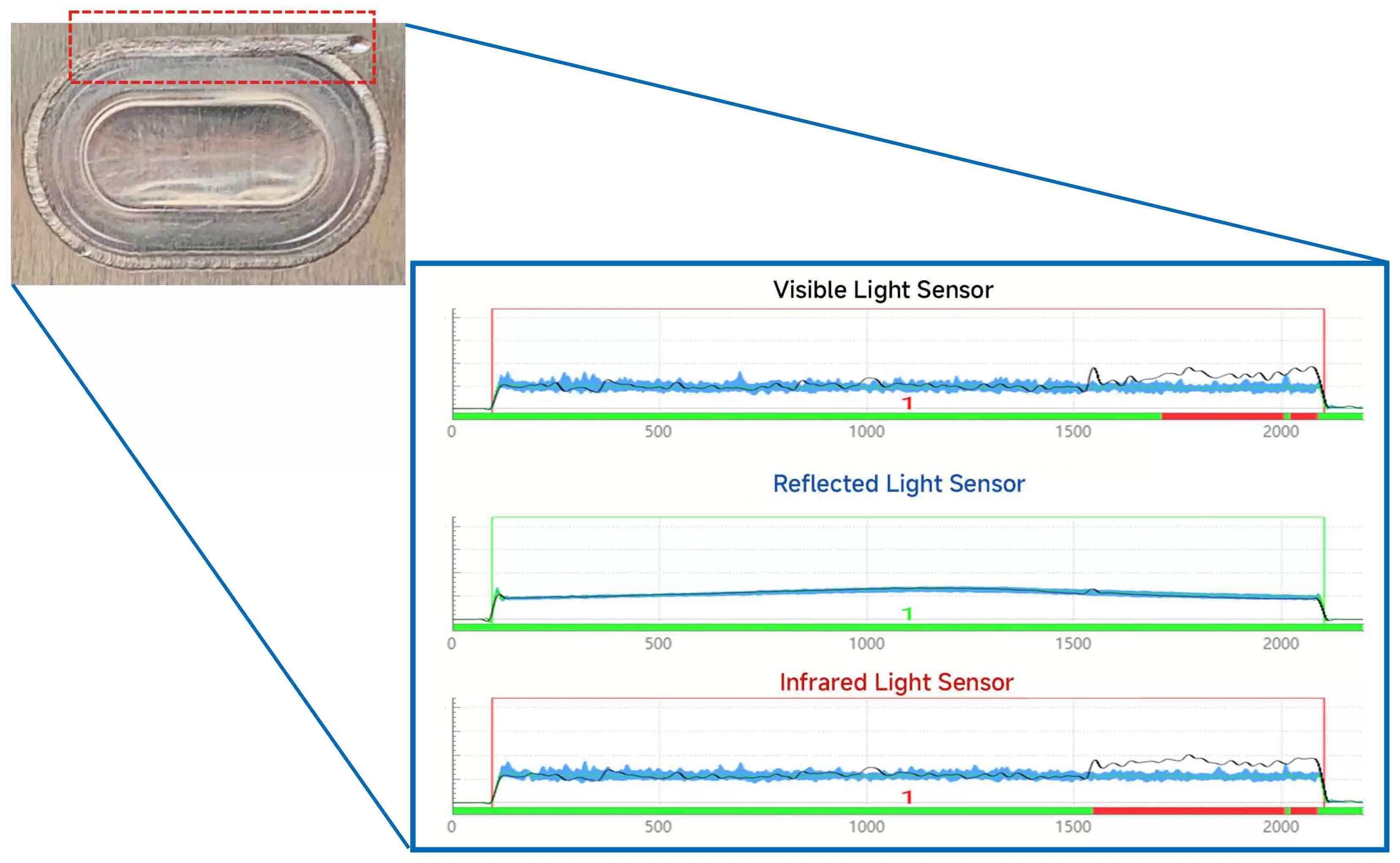
The above is not a complete list. For more types, please consult for more types
consult for more types


Parameter
|
Applicable Laser Power
|
20W-20kW |
|
Induced Spectral Range
|
400nm-1800nm |
|
Sensor Signal Types
|
Visible light, Back-reflected light, Infrared light, Laser power
|
|
Sensor Types
|
CCD, Spectrometer
|
|
Compatible Laser Sources
|
Fiber, Disk, Diode, YAG, MOPA, Blue laser
|
|
Compatible Laser Heads
|
Fixed-focus laser heads, Oscillating laser heads, Scanning laser heads |
|
Protection Level
|
IP65 |
|
Collection Frequency
|
1kHz-200kHz
|
|
Communication Protocol
|
TCP/IP |
|
Interface Type
|
1000M Network
|
|
Power Supply
|
±15V
|
|
Identifiable Defects
|
Weak weld, Burn-through, Spatter explosion, Laser energy anomaly,Surface contamination, Shielding gas anomaly, Defocusing deviation |
|
Operating Temperature
|
+5℃ to +55℃
|
|
Relative Humidity
|
<90% |
|
Weight
|
Approx. 2.4 kg (including optical path calibration module)
|